A leaking tap may seem like a minor household issue, but continuous dripping can waste water, create stains around the sink, and become increasingly frustrating. The cause may be a worn washer, damaged cartridge, loose fitting, or excessive pressure within the plumbing system.
Understanding the source of the leakage helps homeowners decide whether a simple maintenance step is sufficient or a professional repair is necessary.
Why Does a Tap Start Leaking?
Several components inside a tap experience wear through regular use. Rubber washers and seals can deteriorate, while cartridges may become damaged or clogged with mineral deposits.
Loose connections can also cause water to escape around the base of the fixture. In some cases, corrosion or a damaged tap body makes replacement more practical than repairing individual components.
The location of the leak provides an initial clue. Water dripping from the spout when the tap is closed may indicate a faulty internal seal. Moisture around the handle or base may point to a different component.
Step 1: Identify Where the Water Is Escaping
Dry the tap and surrounding surface with a cloth, then observe where moisture appears. Check whether water escapes from the spout, handle, base, or pipe connection beneath the sink.
Make sure the leakage is not caused by splashing water or condensation. If the source remains unclear, avoid dismantling the fixture unnecessarily.
Taking a photograph of the affected area can help you explain the issue when arranging a repair appointment.
Step 2: Turn Off the Water Supply
Before attempting any maintenance, close the appropriate isolation valve beneath the sink if it is accessible and functioning correctly. If no suitable valve is available, turn off the main supply when safe to do so.
Open the tap briefly to release remaining pressure and confirm that the water has stopped flowing.
If the valve is corroded, difficult to operate, or begins leaking when turned, do not force it. Seek professional assistance to avoid making the situation worse.
Step 3: Check the Aerator and Visible Connections
A clogged aerator can cause irregular water flow or splashing. Depending on the tap design, the aerator may be removable for cleaning according to the manufacturer’s instructions.
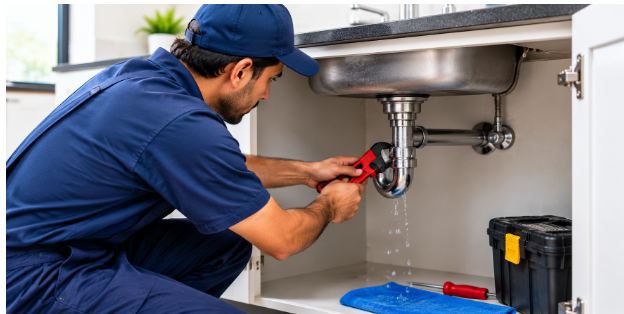
Inspect accessible connections beneath the sink for visible drips, corrosion, or loose fittings. Do not overtighten threaded connections, because excessive force can damage the fitting or its seal.
If cleaning does not improve the flow or the leak continues, the problem may involve an internal component that needs replacement.
Step 4: Decide Whether Repair or Replacement Is Better
Replacing a worn washer or cartridge may resolve the problem when the tap body remains in good condition. However, severely corroded fixtures, damaged threads, and repeated failures may justify installing a new tap.
A professional should consider the fixture type, availability of compatible parts, condition of the connecting pipes, and the expected cost of future maintenance.
Before approving the work, ask for a breakdown of labour and material charges. This makes it easier to compare repair and replacement options.
When Should You Seek Professional Help?
If the leakage continues after basic checks, water appears beneath the sink, or the shut-off valve cannot be operated safely, arrange an inspection. A qualified technician can determine whether the problem involves the tap, supply connection, or concealed pipework.
When comparing plumber in gurgaon, consider experience with your type of fixture, transparent pricing, and the ability to explain the repair before work begins.
For more complicated problems, a Plumber service in gurgaon may also inspect nearby connections to check whether another component is contributing to the leakage.
How to Prevent Tap Leakage
Avoid applying excessive force when opening or closing taps. Over-tightening can accelerate wear on internal seals and handles.
Clean fixtures using products suitable for their finish, and address mineral deposits before they restrict water flow. Check beneath sinks periodically for dampness and investigate recurring drips promptly.
If your home has frequent pressure fluctuations, ask a professional to assess whether the water supply system requires further attention.
Choosing a Suitable Repair Professional
Look for a technician who explains the cause of the fault and provides a clear estimate before proceeding. Reliable Plumbing services in gurgaon should offer a practical repair plan rather than recommending unnecessary replacements.
A skilled Gurgaon plumber should test the tap after the repair, inspect the connection for leakage, and confirm that the water flow is working correctly.
Keep any receipt and applicable warranty details for future reference.
Conclusion
A dripping tap can often be repaired by replacing a worn component, cleaning an obstructed aerator, or correcting a faulty connection. The correct approach depends on the source of the problem and the condition of the fixture.
Timely Gurgaon plumbing maintenance can prevent minor leaks from developing into larger problems. If you cannot identify the cause or the leakage continues, arrange a professional inspection rather than repeatedly tightening fittings or applying temporary sealants.