
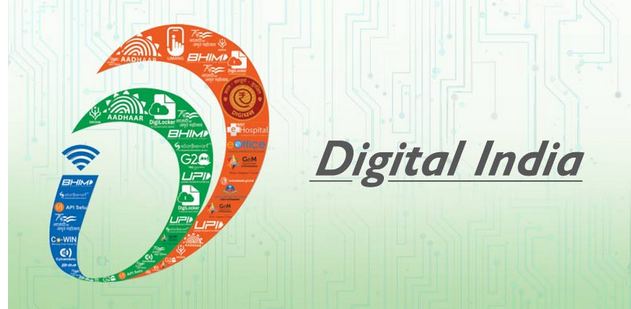
India has witnessed a major transformation in the way citizens access government services, make payments, communicate, learn and conduct business. At the centre of this transformation is Digital India, a flagship programme launched by the Government of India in July 2015 with the vision of creating a digitally empowered society and knowledge-based economy.
The initiative focuses on expanding digital connectivity, improving access to online services and strengthening the country’s digital infrastructure. Over the years, the Digital India programme has supported the development of digital platforms across areas such as governance, financial services, education, healthcare and rural connectivity.
What is Digital India?
Digital India is a government-led programme designed to increase the use of technology in public service delivery and improve digital access across the country. Its broad objectives include developing secure digital infrastructure, delivering government services electronically and expanding internet access to citizens.
The programme has also contributed to the development of a wider digital ecosystem involving platforms such as Aadhaar, DigiLocker, BharatNet, Common Service Centres and digital payment systems. These initiatives help citizens access services and documents with fewer physical interactions.
Key Objectives of Digital India
The Digital India programme is built around several interconnected objectives:
1. Strengthening Digital Infrastructure
Reliable connectivity is essential for digital inclusion. Initiatives such as BharatNet have focused on extending broadband connectivity to rural areas and Gram Panchayats.
The expansion of broadband, mobile networks and optical fibre infrastructure has helped increase access to online services across urban and rural regions.
2. Delivering Government Services Online
Digital platforms have changed how citizens interact with government departments. Online applications, digital certificates, electronic payments and document services can reduce dependence on physical paperwork and visits to government offices.
Platforms such as DigiLocker and UMANG provide citizens with access to documents and government services through digital channels. As of July 2026, DigiLocker had more than 72.43 crore registered users, while UMANG had more than 11.66 crore registered users.
3. Promoting Digital Inclusion
Digital transformation is not limited to large cities. The programme also focuses on improving access in rural and underserved areas through connectivity projects, Common Service Centres and digital literacy initiatives.
Common Service Centres provide access to various government and public services, particularly in areas where citizens may have limited access to traditional government offices.
Digital Infrastructure in India
The development of digital infrastructure in India has been an important part of the country’s broader technology transformation. Improved internet connectivity, mobile networks, broadband infrastructure and digital public platforms have enabled more people to participate in the digital economy.
According to information reported by IBEF from the Government, internet users in India increased from around 25 crore in 2014 to approximately 103 crore in 2025. The country has also witnessed significant growth in optical fibre deployment and mobile connectivity.
Affordable mobile data has further supported digital adoption. Together, connectivity and affordability have created an environment in which digital payments, online education, telehealth, e-commerce and online government services can reach a much larger population.
Major Digital India Initiatives
Several initiatives contribute to India’s digital ecosystem:
Aadhaar: Aadhaar provides a digital identity framework that supports authentication and access to various services.
DigiLocker: DigiLocker enables citizens to digitally store, access and share documents and certificates.
BharatNet: BharatNet focuses on expanding broadband connectivity to Gram Panchayats and rural communities.
Common Service Centres: CSCs provide various digital and government services to citizens, particularly in rural areas.
UMANG: UMANG provides access to multiple government services through a single digital platform.
Digital Payments: Platforms and systems such as UPI have significantly expanded the use of electronic payments across India.
These initiatives demonstrate how digital platforms can connect citizens, businesses and government institutions through a common technology ecosystem.
Role of E-Governance in Digital Transformation
One of the major outcomes of Digital India has been the expansion of e-governance services in India. Government departments increasingly use digital platforms to provide services, communicate information and process applications.
Digital governance can make public services more accessible by allowing citizens to complete certain processes online. Digital documents and electronic verification can also reduce paperwork and simplify interactions between citizens and government agencies.
The expansion of UMANG and DigiLocker is an example of this approach. As of July 2026, UMANG offered approximately 2,575 services, while DigiLocker provided access to more than 5,400 document types and services.
Digital India and Financial Inclusion
Digital technology has also influenced financial inclusion in India. Digital identity, mobile connectivity and bank accounts have created the foundation for delivering financial services to a broader population.
Digital payment systems have made it possible for individuals and businesses to make transactions electronically. UPI has become an important component of India’s digital payment ecosystem, supporting person-to-person and person-to-merchant transactions.
The growth of digital payments has also benefited small businesses by providing additional ways to accept payments and participate in the formal digital economy.
Digital India and Rural Development
Rural connectivity remains an important aspect of India’s digital transformation. Access to reliable internet can provide rural communities with opportunities to use online education, healthcare services, financial services and government platforms.
BharatNet and Common Service Centres are among the initiatives supporting this objective. Digital literacy programmes have also helped citizens develop the skills required to use online platforms.
By expanding connectivity and digital capabilities beyond major cities, Digital India can support broader participation in India’s technology-driven economy.
The Future of Digital India
India’s digital transformation is continuing to evolve with technologies such as artificial intelligence, cloud computing, Internet of Things, blockchain and advanced digital public infrastructure.
The next phase of digital development is likely to focus not only on increasing connectivity but also on improving the quality, security, accessibility and inclusiveness of digital services.
As more government services, businesses and consumers adopt digital platforms, technology will continue to influence sectors ranging from finance and education to healthcare, commerce and public administration.
Conclusion
Digital India has become an important part of India’s technology and economic transformation. From expanding connectivity and digital infrastructure to improving e-governance and financial inclusion, the programme has supported the development of a broad digital ecosystem.
As digital adoption continues to expand, strengthening connectivity, digital literacy, cybersecurity and accessible online services will remain important for building a more inclusive and digitally empowered India.